Why Weak Hips Are The Silent Killer of Your PRs (And How To Fix Them)
In the world of running, your hips are the “control center.” When they lack stability, the rest of your kinetic chain pays the price. If you’ve been battling IT band syndrome, runner’s knee, or a fading form in the final miles of a marathon, the culprit is likely your hip strength—or lack thereof.
Based on the latest biomechanical insights from Runner’s World, we’ve distilled the essential “Hip Prehab” routine every runner needs to stay on the road and out of the PT clinic.
The Problem: The “Hip Drop”
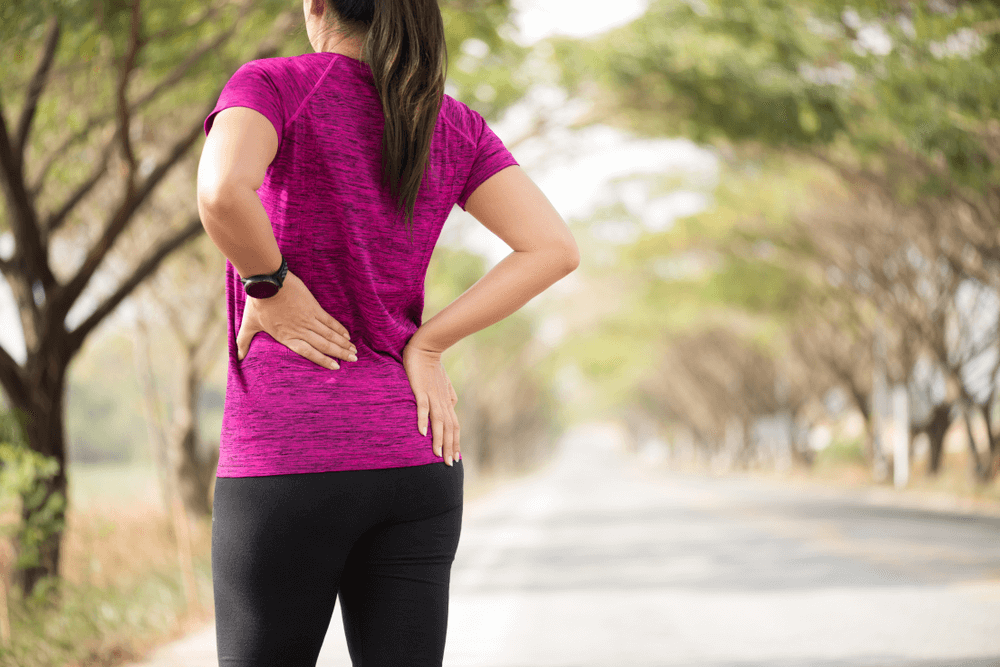
When your glute medius and hip abductors are weak, your pelvis tilts every time your foot hits the pavement. This creates a “leaky” stride where energy is wasted laterally instead of being pushed forward.
The Protocol: 5 Moves for Bulletproof Hips
1. The Hip Hike (The IT Band Savior)
- The Move: Stand on one leg on a step, letting the other leg hang off. Keeping both legs straight, lower your hanging hip toward the floor using only your pelvis, then “hike” it back up using your standing hip.
- Why it works: It specifically targets the glute medius to prevent the dreaded pelvic drop.
2. The Weighted Clamshell
- The Move: Lie on your side with knees bent at 90 degrees. Open your top knee while keeping your feet together.
- Pro Tip: Add a heavy resistance band above the knees. If you aren’t feeling the burn in your side-butt, you aren’t doing it right.
3. The Monster Walk (Lateral Loading)
- The Move: Place a mini-band around your ankles. Get into a quarter-squat and take diagonal steps forward and backward, maintaining constant tension on the band.
- Why it works: It forces your hips to stabilize in the frontal plane, something traditional running never does.
4. Single-Leg Glute Bridge
- The Move: Lie on your back, lift one leg, and drive through the heel of the grounded foot to lift your hips.
- The Focus: Keep your hips level. If one side dips, your core isn’t engaged. This mimics the single-leg stance phase of your running stride.
5. The Single-Leg Squat (The Ultimate Test)
- The Move: Balance on one leg and sit back into a squat.
- The Goal: Watch your knee. If it caves inward, your hip external rotators are weak. Mastering this move is the best insurance policy against knee pain.
The Bottom Line
Strength work isn’t “extra”—it’s part of the training. Incorporate these moves twice a week as a standalone session or as a dynamic warm-up before your easy runs.
Strong hips don’t just prevent injury; they unlock a more powerful, efficient, and faster version of your stride.